








A healthy smile does more than look good in photos — it affects how you speak, eat, and even how confident you feel walking into a room. Yet for many people, dental care still gets pushed to the bottom of the to-do list until something hurts. Brasssmile was built to change that by combining practical oral health advice with everyday lifestyle guidance, making it easier for anyone to protect their smile before problems start.
If you’ve come across Brasssmile and are wondering what it actually offers, this guide breaks down its purpose, the dental basics it covers, and simple habits you can start using today.
What Is Brasssmile?
Brasssmile is an online resource centered on dental care, oral hygiene, and lifestyle habits that support a healthier smile. Rather than focusing only on treatment after a problem appears, the platform leans into prevention, education, and everyday wellness.
Topics typically covered include:
- Preventive oral hygiene habits
- Diet and its effect on teeth
- Common dental issues and early warning signs
- Digital tools used in modern dentistry
- Lifestyle changes that support a brighter smile
The goal is simple: help readers understand small, sustainable changes that add up to long-term oral health.
Why Dental Care Deserves Daily Attention
Oral hygiene isn’t just about appearance — it’s tied to your overall health. Neglecting it can lead to consequences well beyond a dull smile.
- Prevents plaque buildup, which is the root cause of cavities and gum disease
- Reduces infection risk by keeping bacteria levels in the mouth under control
- Supports overall health, since poor oral hygiene has been linked to heart disease and diabetes
- Saves money long-term, as small issues caught early cost far less to treat than advanced ones
- Builds confidence, letting you smile and speak without hesitation in social settings
Routine checkups matter here too. Professional cleanings remove tartar that daily brushing can’t touch, and dentists are often able to spot early trouble before it becomes painful — or expensive.
Everyday Habits That Protect Your Smile
You don’t need an overhauled routine to see real results. A handful of consistent habits go a long way.
- Brush twice daily with fluoride toothpaste, spending at least two minutes each time.
- Floss once a day to clear plaque from spaces a toothbrush can’t reach.
- Choose crunchy produce like apples and carrots, which naturally help clean teeth while adding nutrients.
- Stay hydrated, since water rinses away food particles and keeps saliva flowing to neutralize acid.
- Cut back on sugary snacks and drinks, which feed the bacteria responsible for decay.
- Limit smoking and alcohol, both of which contribute to staining and gum problems over time.
None of these require a major lifestyle shift — just consistency.

Common Dental Problems (and How to Avoid Them)
Understanding what typically goes wrong makes it much easier to prevent it.
| Dental Issue | Common Cause | Prevention Tip |
|---|---|---|
| Cavities | Plaque erodes enamel | Brush, floss, and get regular checkups |
| Gum disease | Bacteria buildup along the gumline | Daily flossing and antibacterial mouthwash |
| Tooth sensitivity | Worn enamel or gum recession | Use desensitizing toothpaste |
| Misalignment | Crowded or crooked teeth trap food | Orthodontic evaluation if needed |
| Bad breath | Bacteria and poor hygiene habits | Consistent brushing, flossing, and hydration |
Catching these issues early — often through routine dental visits — keeps minor concerns from becoming costly, painful procedures.
How Brasssmile Delivers Its Content
Rather than relying on dense medical jargon, Brasssmile focuses on making dental information approachable through varied content formats:
- Articles that break down oral health topics in plain language
- Infographics for quick, visual explanations
- Interactive content like quizzes to help readers engage with the material
- Social media discussions that bring dental care into everyday conversation
This mix keeps the information digestible, whether someone wants a quick tip or an in-depth explainer.
Technology’s Growing Role in Oral Health
Dental care has changed significantly thanks to advances in technology, and staying informed about these tools helps readers make better decisions about their own treatment options.
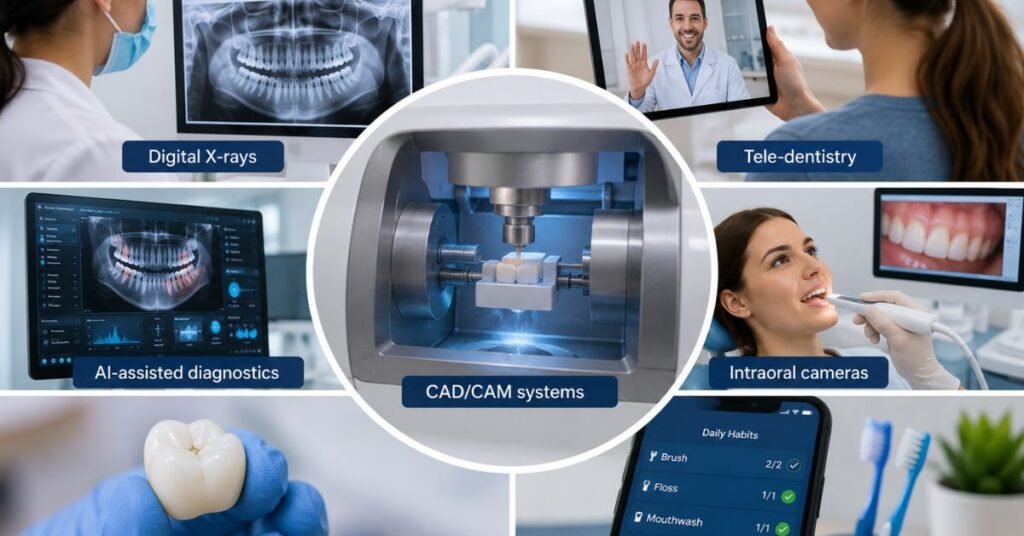
- Digital X-rays offer clearer imaging with lower radiation exposure than traditional film.
- Tele-dentistry allows patients to consult professionals remotely, cutting down on unnecessary office visits.
- AI-assisted diagnostics help flag potential issues before they escalate into bigger problems.
- Intraoral cameras let patients see exactly what their dentist sees, improving communication and trust.
- CAD/CAM systems speed up the creation of crowns and restorations, sometimes within a single visit.
- Habit-tracking apps help people stay consistent with brushing and flossing routines.
These tools don’t just make treatment faster — they make the entire dental experience less intimidating.
Key Takeaways
- Brasssmile focuses on prevention and education, not just treatment.
- Daily habits like brushing, flossing, and hydration prevent most common dental problems.
- Poor oral hygiene is linked to broader health risks, including heart disease.
- Technology like digital X-rays and tele-dentistry is reshaping how care is delivered.
- Routine checkups catch small problems before they become expensive ones.
Conclusion
Good oral health rarely comes down to one big decision — it’s built through small, consistent habits repeated over time. Brasssmile brings together practical tips, lifestyle guidance, and insight into modern dental technology to help readers stay ahead of problems rather than reacting to them. Whether you’re brushing up on the basics or exploring how new tools are changing dental visits, the takeaway is the same: a little daily attention goes a long way toward a healthier, more confident smile.
FAQs
1. What does Brasssmile focus on?
It focuses on dental care education, prevention tips, and lifestyle habits that support long-term oral health.
2. How often should I brush and floss?
Brush twice daily with fluoride toothpaste and floss at least once a day to remove plaque between teeth.
3. Can diet really affect my teeth?
Yes — crunchy fruits and vegetables can help clean teeth naturally, while sugary snacks feed bacteria that cause decay.
4. Is poor oral hygiene linked to other health issues?
Research has connected it to conditions like heart disease and diabetes, making dental care part of overall wellness.
5. How is technology changing dental visits?
Tools like digital X-rays, intraoral cameras, and tele-dentistry are making diagnosis faster and appointments more convenient.
6. Do I still need dental checkups if I brush and floss regularly?
Yes — professional cleanings remove tartar buildup that home care can’t fully address, and checkups catch problems early.
/ You May Also Like / Sosoactive