






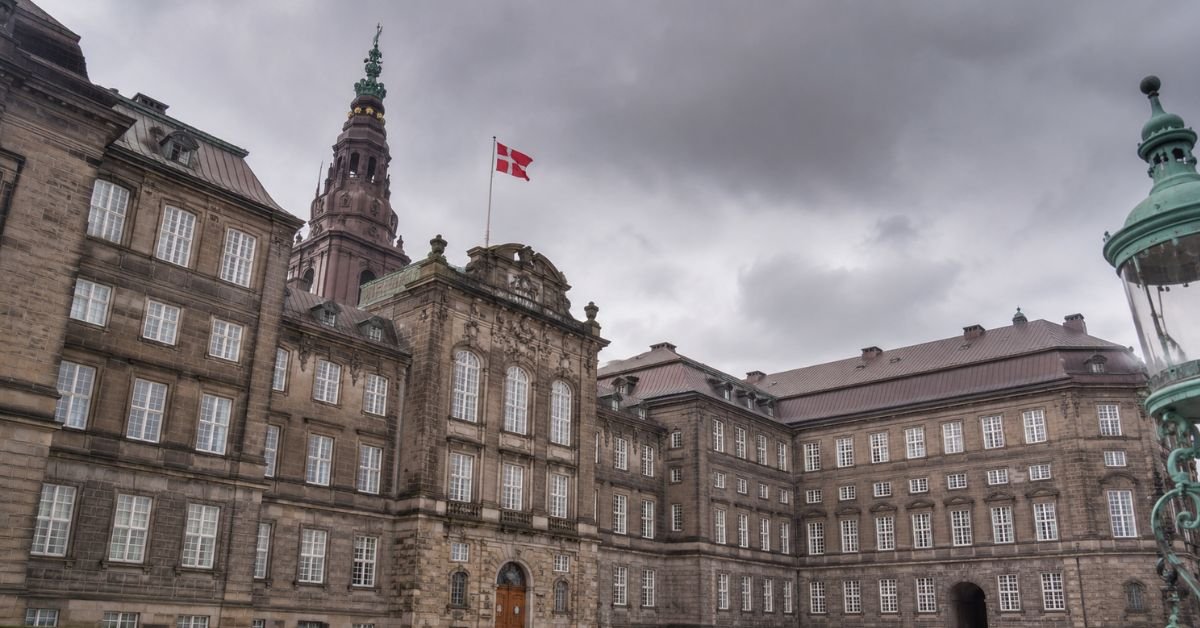
Some words carry more history than others. Fascisterne — the Danish term for “the fascists” — is one of them. It surfaces in political debates, history classes, and news commentary whenever authoritarianism, extreme nationalism, or the suppression of dissent enters the conversation. Understanding what fascisterne means, where it comes from, and how it’s used today says a lot about how Denmark processes its own past — and how it watches for warning signs in the present.
Origins of Fascisterne in Danish History
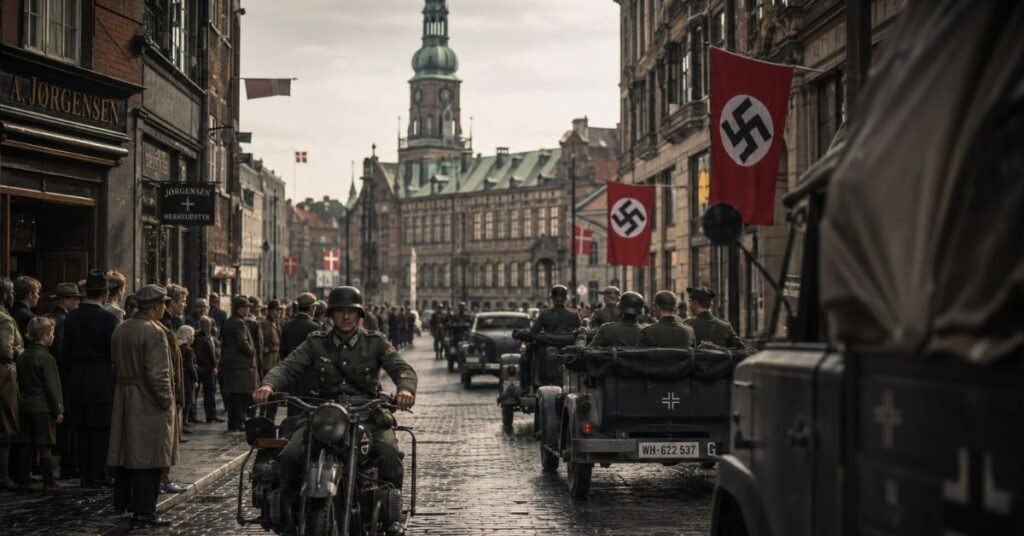
The roots of fascisterne trace back to the turmoil that followed World War I, when Mussolini’s Italy and later Nazi Germany defined what fascism looked like in practice: centralized power, aggressive nationalism, and zero tolerance for opposition. Denmark itself experienced this firsthand between 1940 and 1945, when Nazi Germany occupied the country.
During that occupation, a small number of Danes cooperated with the occupying forces, while many others joined underground resistance movements. Those local collaborators and sympathizers became known, informally and later historically, as fascisterne. After the war ended, Danish society largely rejected these collaborators and reaffirmed its commitment to democratic governance, civil liberties, and anti-totalitarian values — a stance that still shapes how the word is used today.
How Fascisterne Is Used in Modern Politics
Danish political discourse still leans on fascisterne, though rarely in a neutral way. Here’s how the term typically shows up:
- As a warning label — flagging groups or figures displaying authoritarian or anti-democratic tendencies.
- As a critique of the far right — aimed at parties or movements accused of xenophobia or ethnic nationalism.
- As contested rhetoric — critics say it’s sometimes overused to shut down opponents rather than engage with them.
- As a symbol of extremism — representing ideologies seen as fundamentally opposed to democratic norms.
- As a historical caution — a reminder of what unchecked nationalism produced last century.
Because the word is so loaded, its use tends to escalate debates quickly rather than calm them, which is part of why it draws so much scrutiny in Danish media.
Fascisterne in Media and Culture
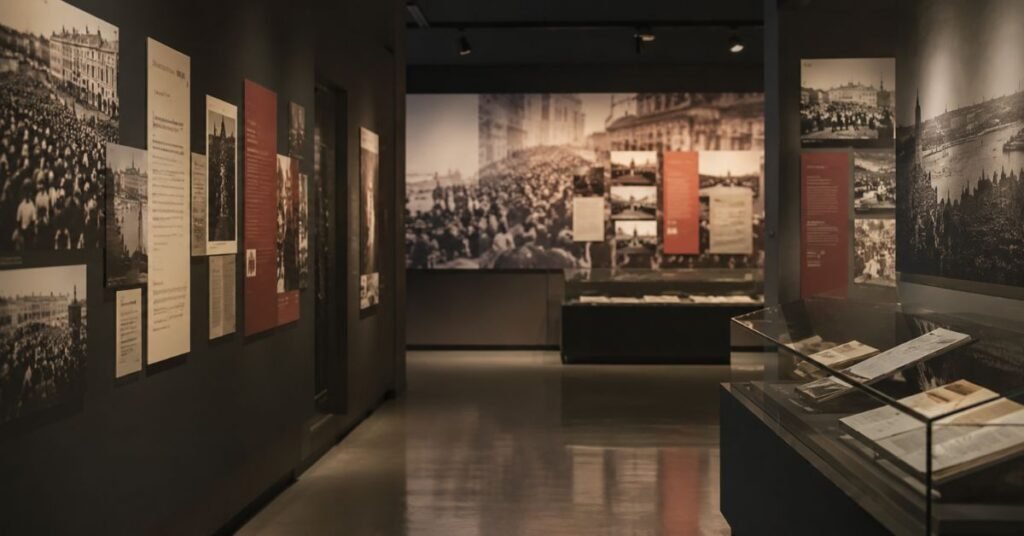
Danish documentaries, films, and literature about World War II and the occupation frequently return to fascisterne as a subject — usually contrasting collaborators with resistance fighters to underline a moral divide. Museums and educational exhibits do something similar, using the term to illustrate what’s lost when democratic institutions collapse.
Beyond historical retellings, fascisterne also appears symbolically in contemporary satire and commentary, applied to modern authoritarian trends both inside Denmark and abroad. In that sense, the word functions less like a dusty history-book term and more like an active cultural checkpoint against political extremism.
Why the Term Still Matters Educationally
Danish schools teach fascisterne as part of a broader curriculum on World War II, the Holocaust, and the German occupation. Students learn not just the timeline of events, but the choices individual Danes made — including those who collaborated versus those who resisted.
This educational grounding extends beyond the classroom. Public commemorations, community discussions, and cultural programming keep the concept alive as a tool for building democratic resilience. Over time, fascisterne has come to represent something dual-purpose: a historical marker and a civic safeguard, reinforcing the values Denmark wants to protect going forward.
Image Prompt: A realistic, high-quality, professional 16:9 photo of a university classroom with students’ backs to camera, an instructor gesturing near a projector screen (blank or abstract, no legible text), natural daylight, no watermark. ALT Text: Danish classroom setting illustrating how fascisterne and WWII history are taught to students.
Fascist Regimes vs. Democratic Societies
| Aspect | Fascist Regimes | Democratic Societies |
|---|---|---|
| Leadership | Centralized, dictatorial | Elected and accountable |
| Civil Liberties | Suppressed or eliminated | Protected under law |
| Political Opposition | Banned or violently silenced | Welcomed as a check on power |
| Media | State-controlled | Independent and free |
| Nationalism | Extreme, often exclusionary | Civic and inclusive |
This table isn’t just academic — it’s the practical lens Danes use when applying the word fascisterne to current events, testing whether a movement’s behavior lines up with historical fascist patterns.
Key Takeaways
- Fascisterne is the Danish word for “the fascists,” referring to individuals or groups aligned with authoritarian, far-right ideology.
- The term gained its modern weight during the Nazi occupation of Denmark (1940–1945).
- It’s used today as a political warning label, a critique of far-right movements, and a historical reminder.
- Danish education and media keep the term active as a safeguard against extremism.
- Its use is controversial — critics argue it can be applied too loosely in political disputes.
Conclusion
At its core, fascisterne is more than a historical label — it’s a word Danes use to keep a specific kind of danger in view. Rooted in the occupation years and reinforced through education, media, and political debate, the term connects Denmark’s past to its present vigilance against authoritarianism. Whether it’s applied fairly or too loosely is up for debate, but its purpose remains consistent: to make sure the lessons of fascisterne aren’t forgotten.
FAQs
What does “fascisterne” mean in Danish?
It translates to “the fascists” — people or groups who support fascist, authoritarian ideology.
Where does the term come from historically?
It became widely used after Denmark’s occupation by Nazi Germany from 1940 to 1945, referring to local collaborators.
Is fascisterne still used in Danish politics today?
Yes. It’s commonly applied as a critique of far-right or authoritarian-leaning political movements.
Why is the term controversial?
Some argue it’s used too broadly to attack political opponents, which can deepen polarization instead of encouraging debate.
How is fascisterne taught in Danish schools?
It’s part of World War II and Holocaust education, focusing on collaboration, resistance, and democratic values.
Does fascisterne only refer to historical fascists?
No — it’s also applied symbolically to modern movements seen as authoritarian or ultra-nationalist.
/ You May Also Like / The Social Music Platform Redefining How We Connect Through Sound